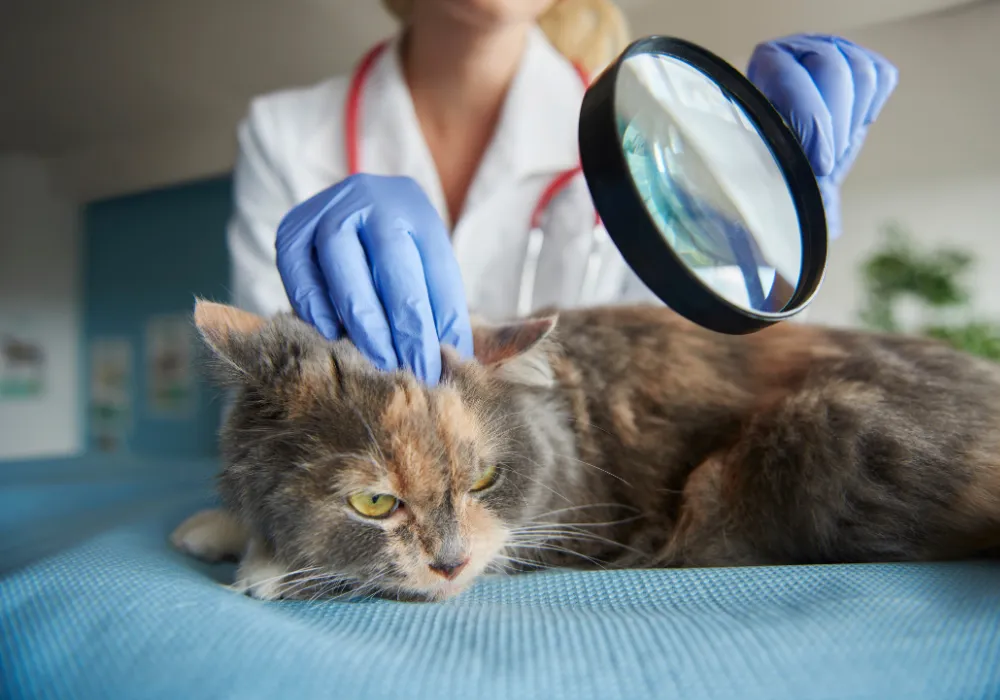

Growing Old Gracefully, Together
Our pets bring us unconditional love from the moment they join our family. They grow beside us — celebrating birthdays, comforting us in quiet moments, and sharing years of laughter and loyalty. But as they age, their needs quietly change.
At SKS Veterinary Hospital, we often see senior dogs and cats who still wag their tails and purr, but whose bodies are slowing down. Their hearts may be full of love, but their organs, joints, and senses begin to show the passage of time.
Sadly, many pet parents overlook these subtle changes, assuming that “slowing down” is just a part of old age. But as veterinarians, we know that aging pets often suffer from chronic but manageable conditions, such as liver and kidney disease, arthritis, dental problems, vision impairment, or diabetes.
With regular checkups, these issues can be detected early, allowing senior pets to live healthier, happier years.
The Problem: Senior Pets Need Specialized Care
When pets reach around 7–8 years of age, they enter their senior stage (for large breeds, it may be earlier). Their metabolism slows down, immune response weakens, and the risk of degenerative diseases increases.
Common health issues seen in senior pets include:
Kidney and liver dysfunction
Arthritis or hip dysplasia leading to stiffness or difficulty walking
Dental disease causing pain and infection
Vision or hearing loss
Diabetes and thyroid disorders
Heart conditions such as cardiomyopathy
These problems progress gradually and may not show clear symptoms initially. A pet who eats less, sleeps more, or avoids playtime may actually be in pain or discomfort.
Unfortunately, because these symptoms appear slowly, they’re easy to miss until it’s too late. That’s why preventive care and biannual health screenings are vital for aging pets.
The Emotional Reality: They Can’t Tell You When It Hurts
When a person feels unwell, they can describe their pain. Our pets cannot. They depend entirely on our awareness.
A senior dog may lick its joints or hesitate before climbing stairs – silent signs of arthritis. A senior cat may skip meals, not because it’s bored of its food, but because dental disease makes chewing painful.
As veterinarians, we often see owners heartbroken after realizing their pet was silently suffering for months. The truth is pets hide pain well. It’s a survival instinct. They rely on us to notice what they can’t express.
When we look beyond the wagging tail or gentle purr, we can recognize the subtle signs that say, “I’m not feeling my best.”
The Key: Observation and Awareness
Caring for an aging pet starts with careful observation. Here’s what responsible pet parents should monitor regularly:
Appetite: Is your pet eating less or skipping meals?
Weight: Sudden loss or gain may indicate thyroid, kidney, or liver problems.
Mobility: Are they slower to stand, climb, or go for walks?
Behaviour: Do they seem more anxious, withdrawn, or restless at night?
Toileting habits: Increased thirst or urination can be early signs of diabetes or kidney disease.
Coat and grooming: A dull coat or poor grooming may indicate discomfort or illness.
These small daily observations are the first step to identifying health changes early before they become emergencies.
How to Support Your Senior Pet
Aging doesn’t mean the end of play, joy, or vitality, it simply means adjusting care routines to meet your pet’s new needs. Here’s how you can make your pet’s golden years truly comfortable and healthy:
1. Schedule Regular Vet Visits (Every 6 Months)
Just like senior humans, older pets need more frequent health monitoring.
At SKS Veterinary Hospital, we recommend biannual health checkups that include:
Blood tests and urinalysis to assess liver, kidney, and glucose levels
Dental examinations to check for infection or decay
Arthritis screening and mobility assessment
Nutritional and weight evaluation
Early diagnosis allows your vet to make timely adjustments to diet, medication, and lifestyle – extending both lifespan and quality of life.
2. Provide a Balanced Senior Diet
Nutrition is key to aging well. Senior pets need diets that are lower in fat, moderate in protein, and rich in fiber and antioxidants.
Include:
High-quality senior pet food formulated for your pet’s breed and size
Supplements like omega-3 fatty acids for joint and skin health
Adequate hydration – always keep fresh water available
Avoid excessive treats, table scraps, and foods high in sodium or fat. For tailored nutrition, SKS offers a Personalized Diet Plan designed by expert veterinary nutritionists – perfect for senior pets with chronic conditions.
👉 Request your pet’s personalized diet plan →
3. Support Joint and Mobility Health
Arthritis is one of the most common age-related conditions in pets. Speak to your vet about joint supplements containing glucosamine, chondroitin, and MSM to improve flexibility and reduce inflammation.
Keep your pet active with short, gentle walks or light play sessions – consistent movement helps preserve joint function without strain.
4. Create a Comfortable and Accessible Environment
Make life easier for your senior companion:
Provide soft, orthopedic bedding to cushion joints.
Keep food, water, and litter boxes on the ground floor – avoid stairs.
Ensure their sleeping area is warm and free from drafts.
Use night lights for pets with vision impairment.
Comfort plays a huge role in maintaining physical and emotional well-being in older pets.
5. Maintain Mental and Emotional Health
Cognitive decline (similar to dementia) can affect senior pets, leading to confusion or anxiety.
Keep their minds sharp with:
Puzzle toys or treat games
Gentle training refreshers
Calm routines and affection
Spending time with your pet by grooming, talking, or simply sitting together has measurable benefits on their emotional and physical health.
Prevention is Better Than Cure
Many age-related diseases can be prevented or managed with timely care.
A six-month health checkup allows your vet to track progress and catch early warning signs. Regular blood tests, urinalysis, and dental care are crucial.
Even simple lifestyle changes like switching to a balanced diet or adjusting exercise routines can add years of comfort to your pet’s life.
At SKS Veterinary Hospital, we remind every pet parent:
❤️ Your pet’s senior years can be their happiest if you care with awareness, not just affection.
Schedule a Senior Health Checkup
If your dog or cat is over 7 years old, book a senior health checkup every 6 months.
Our team at SKS Veterinary Hospital offers comprehensive geriatric evaluations across all branches including Chennai, Bengaluru, Coimbatore, Trichy, Tiruppur, Trivandrum, Vizag, Hosur, and Hyderabad.
Book your Senior Pet Checkup today and ensure your pet enjoys every stage of life with comfort and dignity.
Because they can’t tell you when it hurts but you can act before it does.
Frequently Asked Questions around Senior Pet Care
Generally, dogs and cats are considered senior around 7 years of age. Large breeds may show signs earlier (around 5–6 years), while smaller breeds may age more slowly.
Regular health checkups become increasingly important once your pet crosses this milestone.
Common signs include reduced energy, stiffness, weight changes, cloudy eyes, bad breath, increased thirst, or confusion.
If your pet is showing any of these symptoms, it may be time for a senior health assessment.
We recommend a full veterinary checkup every six months for senior pets. This allows early detection of age-related issues such as liver disease, diabetes, arthritis, or kidney dysfunction.
Provide soft bedding, easy access to food and water, ramps instead of stairs, and warm resting spots. Minimize sudden changes in routine, and offer daily affection and light play to keep them mentally active.
Senior pets need lower-calorie diets with high-quality proteins, fiber, and essential fatty acids.
Avoid table scraps and processed treats. Consult your vet or request a Personalized Diet Plan by an expert veterinary nutritionist for tailored nutrition.
Yes but vaccination schedules may be adjusted depending on your pet’s health and lifestyle.
Your veterinarian will review which vaccines are still essential and how often they should be administered.
Absolutely. While arthritis cannot be cured, it can be managed effectively through joint supplements, physiotherapy, weight control, and pain-relief medications.
Your vet can design a plan to keep your senior pet mobile and pain-free.
Look for signs such as limping, avoiding stairs, reluctance to eat, irritability, or changes in posture or sleep habits.
Because pets rarely vocalize pain, these subtle changes are often the first indicators.
Yes. Dental disease can lead to infections that spread to the heart, liver, or kidneys.
Regular dental cleaning and checkups are essential to maintaining your senior pet’s overall health.
Accordion CRoutine vet visits help detect silent diseases early such as kidney dysfunction or diabetes before symptoms worsen. Preventive screening and lab tests every six months can significantly improve your pet’s quality of life.ontent
Engage them with gentle interactive toys, scent games, or puzzle feeders. Routine, reassurance, and affection help reduce anxiety and cognitive decline as pets age.
At SKS Veterinary Hospital, our veterinarians specialize in geriatric pet care, offering:
6-month health checkups with blood work and urinalysis
Nutrition planning by certified vet nutritionists
Pain management and physiotherapy
- Dental care and chronic disease monitoring
Available across Chennai, Bengaluru, Coimbatore, Trichy, Tiruppur, Trivandrum, Vizag, Hosur, and Hyderabad.