
The Struggle Pet Parents Face
Few things worry pet parents more than seeing their dog have repeated loose stools. You clean it up once, twice, and then realize it’s happening every day — despite every remedy you’ve tried.
From switching foods to giving curd, cutting down on chicken, or trying fiber supplements, many owners feel helpless when there’s no lasting improvement.
As veterinarians, we see this frustration often.
Sometimes, despite sincere effort, the root cause isn’t something simple — and that’s what this blog aims to help you understand.
Why This Happens: Loose Stools Are a Symptom, Not a Disease
Loose stools or diarrhea in dogs aren’t a disease by themselves – they’re a sign that something’s wrong inside the digestive system.
It can range from something harmless like a new treat not agreeing with them, to serious concerns like intestinal infection, food allergy, or organ dysfunction.
When loose stools persist despite home remedies, it means there’s more to the story than a temporary tummy upset.
Common Pet Parent Queries About Loose Stools
Pet parents often ask:
“Can changing dog food cause diarrhea?”
“How long does dog diarrhea last?”
“When should I worry about my dog’s loose stool?”
In most cases, mild digestive upsets clear within 24–48 hours, but if your pet shows dehydration, blood in stool, or loss of appetite, it’s time to consult your vet immediately.
Why Home Remedies Often Fail
We understand pet parents want to help immediately. So, they try common remedies:
Giving curd or probiotics
Restricting chicken or high-protein diets
Adding boiled rice or fiber
Withholding food for 12 hours
Avoiding oily foods or treats
While these steps can help in mild, short-term digestive upsets, they don’t solve chronic or underlying causes.
That’s why you might see improvement for a day or two, and then the problem returns.
Persistent loose stools require a systematic veterinary approach, identifying what’s triggering the issue rather than masking it.
When the Problem Becomes Personal
As the condition continues, pet parents start noticing bigger changes. The dog that was once active now seems dull, eats less, and begins losing weight.
Many of these pets become malnourished because their intestines aren’t absorbing nutrients properly. You can see their ribs, their coat loses shine, and their stool alternates between watery and soft, leaving both pet and parent distressed.
That’s when pet parents usually come to us, saying:
“Doctor, we’ve tried everything but nothing seems to work.”
And we always remind them: the answer lies in understanding what’s happening inside the gut, not just outside.
Discovering the Real Cause: Digestion Starts and Ends with Observation
Finding the cause of loose stools begins by looking at the entire digestion cycle — what goes in and what comes out.
Questions We Ask at SKS:
What type of food is your dog eating? (kibble, homemade, mixed?)
What brand and batch of food? When was the packet opened and how was it stored?
Are there any treats, table scraps, or leftovers being given?
What’s the color, smell, and consistency of the stool?
Is there mucus, blood, or undigested food present?
Has your dog recently had antibiotics or medication?
Is your water source clean and consistent?
Even something as simple as a change in water or a piece of garbage eaten outdoors can upset your dog’s gut for days.
Common Causes of Loose Stools
Dietary Indiscretion: Eating garbage, table scraps, or leftover human food.
Food Allergies or Intolerances: Some dogs react to chicken, dairy, or gluten.
Poor-Quality or Spoiled Food: Kibble that’s been open too long or improperly stored.
Bacterial, Viral, or Parasitic Infections: Giardia, coccidia, and worms are common culprits.
Water Contamination: Unfiltered or stagnant water sources.
Medication Reactions: Antibiotics and painkillers can disturb gut flora.
Underlying Diseases: Liver disease, pancreas issues, or inflammatory bowel disease (IBD).
The key is don’t guess. A vet’s diagnostic approach helps rule out causes systematically and find the actual reason.
How to Solve the Problem: Vet-Approved Steps That Work
Once the cause is identified, managing loose stools becomes straightforward and effective.
Here’s what we recommend at SKS Veterinary Hospital:
1. Observe and Record Stool Consistency
Keep track of your dog’s stool using a stool score chart (1–7 scale). Note color, frequency, and texture. A brown, firm stool is ideal — watery or pale stools indicate deeper digestive issues.
2. Review What Your Dog Eats
If feeding kibble, note the brand, expiry, and storage. Rancid fats in opened kibble can cause digestive distress.
Avoid milk and milk products — most adult dogs are lactose intolerant.
Eliminate wheat, gluten, or heavily processed treats.
Feed small, regular meals instead of one large meal.
3. Stop Feeding Table or Kitchen Scraps
Table leftovers often contain spices, oils, and salt – all harmful to a dog’s gut. Even small bites can disrupt digestion, especially in sensitive breeds.
4. Deworm Regularly
Undetected intestinal worms can cause persistent diarrhea, weight loss, and poor coat condition. Follow a vet-recommended deworming schedule every 3–6 months, using accurate dosage based on body weight.
5. Use Probiotics Wisely
Probiotics can help restore healthy gut flora, but not all products suit every dog. Let your vet prescribe a species-appropriate probiotic and course duration.
6. Avoid Over-Treating or Changing Diets Too Fast
Constantly changing food brands or adding home remedies can make matters worse. Stick to one vet-approved plan for at least 2–3 weeks before evaluating progress.
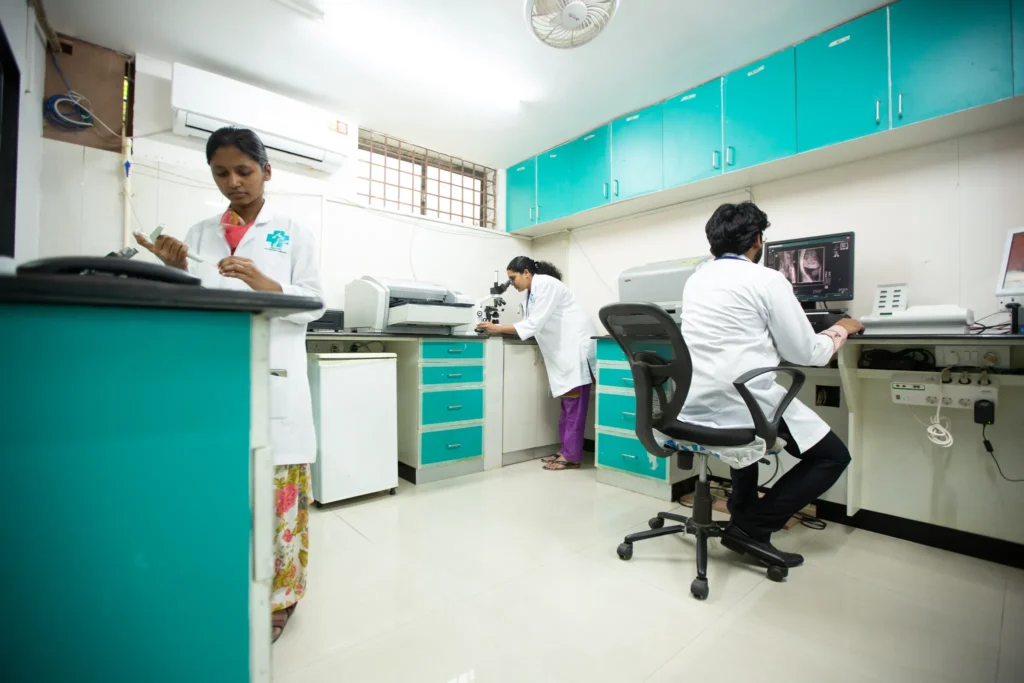
7. Diagnostic Tests May Be Needed
If loose stools persist for more than 3–4 days, diagnostic tests help identify the exact problem:
Stool examination for parasites or bacteria
Blood tests for organ function
Allergy or intolerance screening
Imaging (X-ray/ultrasound) if structural issues are suspected
When to See a Vet Immediately
Seek immediate veterinary care if your dog has:
Loose stools with blood or black tarry color
Vomiting and dehydration
Loss of appetite or lethargy
Diarrhea lasting more than 48 hours
Puppies or senior dogs with sudden diarrhea (they dehydrate quickly)
These can signal a medical emergency.
The Right Path to Recovery
At SKS Veterinary Hospital, our approach combines diagnostic evaluation, diet correction, and targeted medication. We help pet parents understand the why behind every symptom — not just treat the visible sign.
Once the digestive system stabilizes, our Veterinary Nutritionists can design a Personalized Diet Plan based on your dog’s breed, age, and health condition ensuring long-term gut balance and immunity.
Call to Action
If your dog has had loose stools for more than 2–3 days, don’t rely solely on home remedies.
Book a consultation at SKS Veterinary Hospital to identify the cause, perform necessary diagnostics, and get a tailored recovery and diet plan from our experienced veterinary team.
Your pet’s gut health is the foundation of its overall wellbeing and no one understands that better than we do.
Frequently Asked Questions (FAQs): Loose Stools in Dogs
Loose stools can result from several causes including dietary changes, food allergies, parasites, bacterial or viral infections, or poor-quality food.
Even simple factors like spoiled kibble, unclean water, or table scraps can trigger digestive upset. Persistent diarrhea may also indicate liver, pancreas, or intestinal disorders which require veterinary attention.
If your dog’s loose stools last more than 48 hours, or are accompanied by vomiting, blood, black or tar-like stool, dehydration, or loss of appetite, it’s time to visit a vet immediately.
Chronic diarrhea can cause malnutrition and dehydration, especially in puppies or senior dogs.
Home remedies like curd or probiotics can help mild indigestion, but they don’t address deeper issues such as parasitic infection, food intolerance, or bacterial imbalance.
Persistent loose stools usually require diagnostic tests to find the exact cause otherwise, symptoms will return once the home remedy wears off.
Yes, food allergies or intolerances are among the most common causes of chronic loose stools. Dogs may react to ingredients like chicken, dairy, wheat, or gluten.
Your vet can suggest an elimination diet or allergy test to identify the trigger and recommend a suitable diet alternative.
Feed a bland, easily digestible diet such as boiled rice and pumpkin, or a vet-recommended prescription gastrointestinal diet. Avoid milk, milk products, wheat, raw foods, and excessive treats until the stool normalizes.
Once stable, your vet may suggest a Personalized Diet Plan designed by expert veterinary nutritionists to maintain long-term digestive balance.
Deworming is crucial for digestive health. Most dogs should be dewormed every 3 to 6 months, depending on lifestyle and exposure. Always use a vet-prescribed dewormer dosed correctly by your pet’s body weight. Inaccurate dosages or missed schedules are common causes of chronic gut issues.
Accordion ContentYes. Many treats are high in fat or artificial ingredients that can irritate your dog’s stomach.
Similarly, human food often contains salt, oil, or spices that dogs can’t digest well. Avoid feeding leftovers or table scraps, stick to balanced pet nutrition and limited vet-approved treats.
Stool color can reveal important clues about your dog’s health:
Brown: Normal
Yellow or orange: Possible liver or bile issue
Black or tarry: Internal bleeding (urgent vet visit needed)
White or gray: Pancreatic or digestive enzyme issue
Green: Eating grass or dietary irritation
If color changes persist for more than 1–2 days, consult your vet.
You can prevent most cases by:
Feeding a consistent, balanced diet
Avoiding frequent food changes or table scraps
Keeping food and water bowls clean
Following a timely deworming schedule
Using filtered or boiled water
Scheduling routine veterinary checkups every 6 months
You should consult a vet if:
Diarrhea lasts longer than 48 hours
There’s blood, mucus, or unusual color in stool
Your dog shows vomiting, fever, or lethargy
There’s noticeable weight loss or dehydration
A vet will perform stool tests, blood work, and dietary assessments to pinpoint the cause and suggest effective treatment.
Yes. stress colitis is a real condition. Changes in environment, travel, or loud noises can disrupt gut bacteria and lead to soft stools. Maintaining a routine and creating a calm space helps minimize stress-related digestive upset.
At SKS Veterinary Hospital, we use a diagnostic-first approach to treat digestive issues. Our services include:
Stool and blood testing
Deworming and parasite control
Prescription diet formulation
Gut health restoration with probiotics and medication
Personalized diet plans by veterinary nutritionists for long-term balance
Available across Chennai, Bengaluru, Coimbatore, Trichy, Tiruppur, Trivandrum, Vizag, Hosur, and Hyderabad.