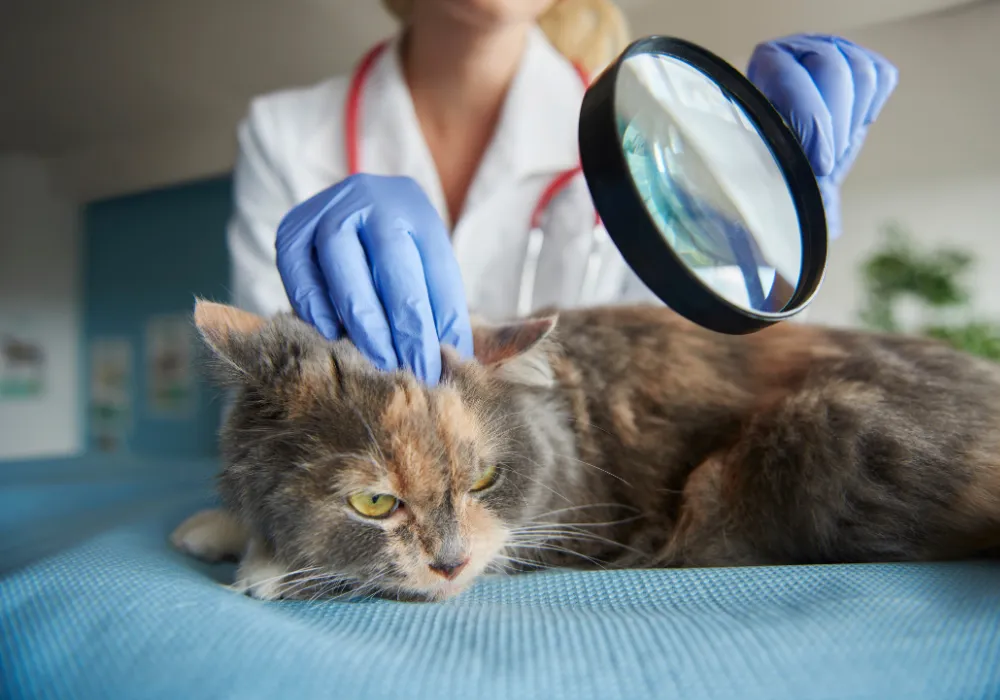

The Problem We Often Miss
Many pet parents don’t realize how easily dogs and cats can become dehydrated. It’s one of those silent problems easy to miss, yet dangerous when ignored.
How could something as simple as water make such a big difference to a pet’s health and happiness? More than you think.
When Dehydration Hides in Plain Sight
Dehydration in dogs and cats is far more common than most owners imagine. Our pets lose water constantly through panting, playing, even just breathing.
Unlike us, they can’t say “I’m thirsty.” Cats are especially notorious for drinking too little water, and chronic dehydration can lead to:
Kidney and urinary tract issues
Constipation and fatigue
Loss of appetite and dry coat
Over time, this can shorten their lifespan or lead to long-term kidney damage.
How do I know if my pet is dehydrated?
Dehydration can be sneaky. Some early signs include:
Dry or sticky gums
Sunken eyes
Lethargy or low energy
Loss of appetite
Thick, sticky saliva
You can gently pinch the skin near your pet’s shoulders and if it doesn’t spring back quickly, your pet may be dehydrated and needs veterinary attention.
When the Body Starts to Struggle
When our pets don’t get enough fluids, their bodies begin to work overtime. Water supports every system from digestion to temperature control. Without it, the heart and kidneys can’t function efficiently.
Dehydration can cause:
Fatigue and sluggishness
Dry nose and gums
Reduced appetite
Concentrated or dark-colored urine
Organ strain (especially kidneys and liver)
What’s worse is that these signs are easy to miss. A tired dog or a quiet cat might just seem calm, but they could actually be suffering from dehydration.
Why do cats drink so little water?
Cats evolved as desert animals. They naturally have a low thirst drive because their wild ancestors relied on moisture from prey. That’s why feeding wet food or using cat fountains helps boost their fluid intake and keeps their kidneys healthy.
Why Hydration Matters More Than You Think
Just like humans, pets are made up mostly of water around 60–70% of their body weight. Even a 5% loss of body water can start showing physical signs.
Water helps with:
Nutrient absorption
Body temperature regulation
Lubrication of joints
Healthy skin and coat
Detoxification through urine
In short, hydration is life, especially for growing puppies, kittens, and senior pets.
Can dehydration cause kidney problems in pets?
Yes. Chronic dehydration puts continuous stress on the kidneys, reducing their ability to filter toxins from the blood. This is a leading cause of chronic kidney disease (CKD) in cats and senior dogs.
Ensuring consistent hydration can significantly lower this risk.
How to Keep Your Pet Hydrated
Here are a few simple but powerful steps to keep dehydration at bay:
Check Their Water Bowl Morning and Night: Make it a habit to inspect their bowl twice a day. Look for dirt, hair, or food particles that might discourage drinking.
Provide Fresh, Clean Water Daily: Replace water at least twice a day, more if the bowl is outdoors or your pet drools a lot.
Encourage Drinking with Pet Fountains or Wet Food: Moving water attracts pets to drink more. Mix wet food or water into kibble for additional moisture intake.
Monitor Their Water Intake: If your dog or cat is drinking significantly more or less than usual, consult your veterinarian.
Excessive thirst can also signal diseases like diabetes or kidney problems.Know the Signs of Dehydration: Dry gums, lethargy, sunken eyes, and sticky saliva are red flags that need attention.
How much water should my dog or cat drink daily?
Dogs need roughly 50–70 ml of water per kg of body weight daily. Cats typically need 40–60 ml per kg, though it varies based on diet and environment.
If your pet eats mainly dry food or lives in a warm climate, they’ll need more water.
Lifestyle Tips to Prevent Dehydration
Carry water during walks or travel.
Keep multiple bowls around the house for convenience.
Avoid metal bowls in the sun — they can heat the water.
Add a bit of unsalted broth to water to make it more appealing.
Always clean bowls daily to avoid bacterial buildup.
Small steps, big difference.
Can weather affect my pet’s hydration needs?
Absolutely. Hot, humid climates (like in Chennai or Bengaluru) increase panting and fluid loss. Even in cooler seasons, indoor heating can dry the air. Adjust your pet’s water access year-round, not just in summer.
When to Visit a Vet
If your pet refuses water for 24 hours, shows sunken eyes, dry nose, or weakness — don’t wait. Dehydration can worsen rapidly and cause shock or organ damage.
At SKS Veterinary Hospital, we use quick hydration assessments and blood work to detect imbalances early. Timely treatment can prevent severe complications like acute kidney failure.
How Your Vet Can Help
Veterinarians do more than treat dehydration – they help prevent it. During your pet’s regular check-up, your vet can:
Assess hydration levels
Recommend suitable water intake for your pet’s size and lifestyle
Suggest wet food or supplements
Identify early signs of organ strain
Let’s Make Hydration a Habit
If you want to understand your pet’s hydration needs better, consult your veterinarian. Our experts can help you determine how much water your dog or cat should drink daily and what warning signs to watch for.
💧 Learning more about pet hydration helps you become a stronger advocate for your pet’s health and happiness.
Frequently Asked Questions about Hydration & Dehydration in Pets
Signs include dry gums, lethargy, sunken eyes, sticky saliva, and reduced appetite. If your pet refuses water or seems unusually tired, visit a vet immediately.
Dogs need about 50–70 ml per kg body weight daily, and cats around 40–60 ml per kg. Adjust for diet, size, and climate.
Cats naturally have a low thirst drive. Feeding wet food, offering running water via fountains, or adding broth can encourage them to drink more.
Yes. Chronic dehydration stresses the kidneys and may lead to chronic kidney disease (CKD) in both dogs and cats.
Keep fresh water available, clean bowls daily, offer wet foods, monitor drinking habits, and consult your vet during seasonal changes or illness.