
On this page
Executive Summary
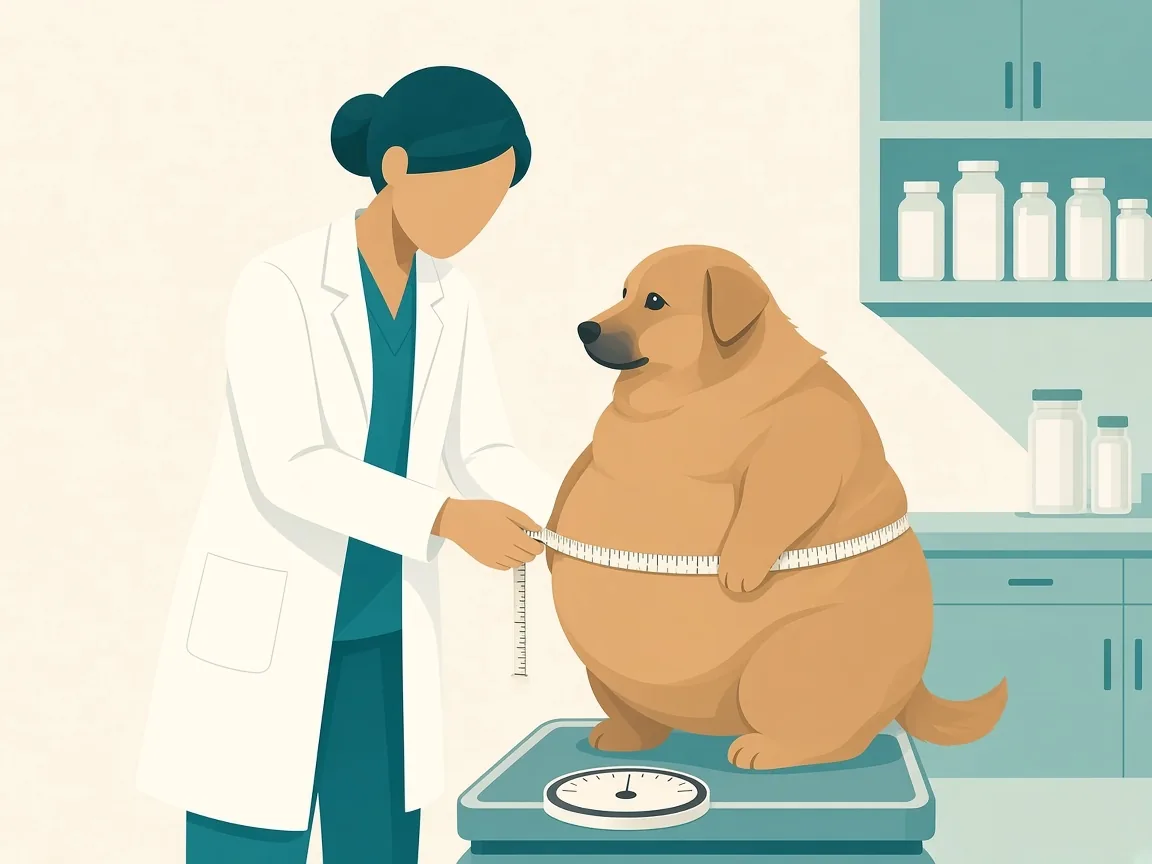
Pet obesity has emerged as one of the most significant nutritional disorders in companion animals globally, with prevalence rates approaching or exceeding 35-40% in urban settings. While casual awareness of the condition exists among pet parents, understanding obesity through a research lens reveals complex pathophysiological mechanisms, metabolic implications, and species-specific complications that demand clinical precision in diagnosis and management. This guide synthesizes current veterinary research, epidemiological data from Indian contexts, and emerging insights into adipose tissue dysfunction to provide evidence-based frameworks for assessment and intervention.
Figures cited in this article — PORGI 2023 and the Indian Veterinary Association survey.
- 35%Urban dogs overweight or obeseMumbai, Delhi, Bengaluru
- 40%+Pet parents miss the extra weightPerception gap
- 91.7%Feed human food to petsIVA survey
- 18%Accurately measure portionsIVA survey
Part 1: The Pathophysiology of Obesity and Metabolic Dysfunction
Obesity as an Endocrine Disorder
Pet obesity extends far beyond a simple caloric imbalance. Modern veterinary understanding recognizes obesity as a state of chronic, low-grade inflammation driven by dysregulated adipose tissue functioning. Excess white adipose tissue does not passively store energy—it actively secretes bioactive compounds called adipokines that fundamentally alter systemic physiology.
Adipokine Dysregulation and Inflammatory Cascade
In obese animals, adipose tissue produces elevated concentrations of pro-inflammatory adipokines including tumor necrosis factor-alpha (TNF-α), interleukin-6 (IL-6), interleukin-17 (IL-17), and leptin. Gene expression analysis of peripheral blood mononuclear cells in obese dogs reveals significantly upregulated expression of TNF-α (p<0.001), IL-17 (p<0.0001), and leptin (p<0.0001) compared to non-obese dogs, establishing that obesity creates a systemic inflammatory state rather than a localized metabolic problem.
Conversely, adiponectin—a protective adipokine with anti-inflammatory and insulin-sensitizing properties—shows reduced levels in obese animals. In obese cats specifically, low adiponectin concentrations correlate with increased risk of metabolic disease, particularly diabetes mellitus. This adipokine imbalance creates a vicious cycle: pro-inflammatory cytokines worsen insulin resistance and adipose tissue dysfunction, further perpetuating metabolic derangement.
Species-Specific Metabolic Differences
Dogs and cats demonstrate fundamental differences in adipose tissue composition and inflammatory responses. Canine adipocytes show a more reactive phenotype, readily releasing pro-inflammatory adipokines in response to nutrient excess and inflammatory triggers. This explains why obesity-associated complications manifest somewhat differently between species.
In dogs, the inflammatory cascade more readily drives systemic changes affecting multiple organ systems. In cats, metabolic dysfunction tends to centralize around hepatic lipid accumulation and dramatic insulin resistance, reflecting their stricter carnivorous metabolism and lower capacity to manage carbohydrate loads.
Insulin Resistance and Metabolic Dysfunction
Obesity-associated insulin resistance represents one of the most significant metabolic alterations. In dogs, obesity induces a state characterized by dangerously elevated both fasting insulin and blood glucose concentrations—what researchers term “glucose intolerance.” Insulin resistance in dogs is reversible with appropriate weight loss, as documented by decreasing plasma glucose and insulin concentrations following caloric restriction.
Cats demonstrate an even more severe metabolic vulnerability. The feline species possesses limited gluconeogenic flexibility, making them substantially more susceptible to diabetes mellitus development under conditions of obesity-induced insulin resistance. Remarkably, feline diabetes is largely preventable through weight management alone, with weight loss frequently inducing remission in newly diagnosed diabetic cats.
The mechanism linking obesity to glucose dysregulation involves both direct effects (excess adiposity impairs insulin signaling) and indirect effects (adipokine-mediated inflammation worsens insulin sensitivity). Additionally, obesity-related changes to the gut microbiota appear to contribute to dysglycemia, though this pathway remains incompletely characterized in companion animals.
Chronic Inflammatory State and Systemic Consequences
Obesity creates a state of chronic, systemic, low-grade inflammation. This is not the acute inflammation of infection or injury, but rather a persistent pro-inflammatory milieu that affects virtually every organ system. Multiple studies document elevated circulating concentrations of pro-inflammatory cytokines in obese dogs, with many showing normalization following successful weight loss.
This chronic inflammation directly mediates several obesity-associated disease states:
Oxidative Stress Enhancement: Excess adipose tissue generates reactive oxygen species, overwhelming endogenous antioxidant systems and promoting cellular damage across multiple tissues.
Endothelial Dysfunction: Adipokine dysregulation impairs nitric oxide production and vascular function, contributing to hypertension and atherosclerosis.
Immune Dysregulation: Pro-inflammatory adipokines suppress beneficial immune responses while promoting pathogenic inflammation, altering susceptibility to infection and autoimmune disease.
Part 2: Comprehensive Analysis of Obesity-Associated Health Complications
Orthopedic Disease and Degenerative Joint Disease
Osteoarthritis (OA) remains the single most common medical condition associated with obesity in companion animals. The relationship is multifactorial, involving both mechanical and inflammatory pathways.
Mechanical Burden: Each excess kilogram places significant stress on joints, particularly load-bearing joints in the spine, hips, and stifles. This mechanical overload accelerates cartilage degradation, increases inflammatory cell infiltration into joints, and promotes pain-related behaviors.
Adipokine-Mediated Joint Damage: Beyond mechanical stress, adipokines directly damage joint tissues. TNF-α and IL-6 penetrate joint spaces and stimulate chondrocytes and synovial cells to produce matrix-degrading enzymes. Critically, adipokines damage even non-weight-bearing joints, explaining why obese animals develop polyarticular OA patterns.
Epidemiological Evidence: Cross-sectional studies reveal that approximately 61% of older cats demonstrate radiographic evidence of osteoarthritis despite absence of obvious clinical lameness or pain. This subclinical OA likely contributes to subtle behavioral changes—reduced climbing, decreased grooming, inappropriate elimination—that often go unrecognized by owners.
In dogs, obesity-related OA correlates with reduced mobility, decreased exercise tolerance, and increased pain behaviors. Importantly, excess adiposity in young animals predisposes to earlier OA onset, effectively accelerating aging-related joint degeneration.
Metabolic and Endocrine Complications
Diabetes Mellitus
The obesity-diabetes relationship differs substantially between species. In cats, obesity creates such dramatic insulin resistance that diabetes development becomes nearly inevitable without intervention. The prevalence of feline diabetes correlates strongly with obesity prevalence, and weight loss frequently induces complete remission.
Mechanistically, obesity impairs pancreatic beta cell function through multiple pathways: chronic hyperglycemia induces beta cell exhaustion (“glucose toxicity”), adipokine excess impairs beta cell secretory capacity, and lipid accumulation within pancreatic tissue (lipotoxicity) triggers beta cell apoptosis.
Hypertension (High Blood Pressure)
Obesity-associated hypertension remains substantially underdiagnosed in veterinary medicine. The pathophysiology involves:
- Enhanced sympathetic nervous system activity
- Increased renal sodium reabsorption
- Adipokine-mediated vascular dysfunction
- Increased total blood volume from excess adiposity
Critically, hypertension in pets often remains asymptomatic until sudden complications occur—acute blindness from hypertensive retinopathy, acute kidney injury, or acute cardiac decompensation. Regular blood pressure monitoring in obese patients enables early intervention with dietary sodium restriction, weight loss, and pharmacotherapy when indicated.
Hypothyroidism and Hormonal Imbalances
While obesity itself is occasionally a consequence of hypothyroidism or Cushing’s disease, the relationship is bidirectional. Obesity appears to impair thyroid function and alter cortisol metabolism in some animals, creating secondary endocrine dysfunction. Accurate thyroid screening in obese animals requires consideration of obesity’s potential effects on thyroid hormone metabolism.
Cardiovascular Complications
Obesity directly impairs cardiac function through multiple mechanisms:
- Excess adiposity increases total blood volume and cardiac preload
- Adipokine-mediated inflammation damages myocardial tissue
- Hypertension increases cardiac afterload
- Obesity is associated with arrhythmia development
The cumulative effect is reduced exercise tolerance, increased dyspnea risk, and altered cardiac reserve during illness or anesthesia.
Hepatic Disease and Fatty Liver Syndrome
Hepatic lipid accumulation (hepatic steatosis) occurs readily in obese animals, particularly cats. This is not merely benign fat accumulation—lipid-induced hepatic inflammation can progress to nonalcoholic fatty liver disease (NAFLD) characterized by hepatocyte injury and fibrosis.
Cats appear particularly vulnerable to severe hepatic lipid accumulation. During rapid weight loss, hepatic lipids can mobilize excessively, causing lipid-induced hepatic lipidosis—a potentially life-threatening condition. This is why gradual weight loss (0.5-2% body weight per week in cats) is critical, and why abrupt food restriction in obese cats can precipitate acute liver failure.
Respiratory and Thermoregulatory Dysfunction
Excess adipose tissue physically restricts thoracic and abdominal cavity expansion, reducing inspiratory capacity and increasing breathing effort. Adipokine-mediated airway inflammation further compromises respiratory function. The result is:
- Reduced exercise tolerance
- Exertional dyspnea
- Increased anesthetic risk
- Impaired thermoregulation and heat intolerance
Obese animals demonstrate markedly reduced capacity for thermoregulatory heat dissipation, making heat stress particularly dangerous. This has substantial clinical implications in India’s warm climate, where obese pets face elevated risk during summer months or exercise in warm conditions.
Cancer and Neoplasia
While comprehensive data on obesity-associated cancer in pets remains limited compared to human medicine, the mechanistic pathways are well-established:
- Insulin and IGF-1 axis: Hyperinsulinemia directly stimulates cell proliferation through insulin growth factor signaling
- Estrogen effects: Adipose tissue produces estrogen; excess adiposity increases circulating estrogen and increases risk of hormone-responsive cancers
- Chronic inflammation: The persistent pro-inflammatory state promotes carcinogenesis
- Oxidative stress: Increased reactive oxygen species damage DNA and promote mutations
Epidemiological evidence suggests obesity increases neoplasia risk, though the magnitude of effect remains incompletely characterized in veterinary populations.
Reduced Life Expectancy: The Longitudinal Impact
The most compelling evidence for obesity’s clinical significance comes from life expectancy analyses. A landmark analysis of Banfield Pet Hospital data (2013-2019) examined life expectancy tables across millions of pets:
Key Findings:
- Overall life expectancy: 12.69 years for dogs; 11.18 years for cats
- Obese dogs (BCS 5/5): 11.71 years average lifespan
- Overweight dogs (BCS 4/5): 13.14 years average lifespan
- Ideal weight dogs (BCS 3/5): 13.18 years average lifespan
- Obesity penalty in dogs: 1.47 years reduced lifespan
For cats:
- Cats with BCS 4/5: 13.67 years (longest lifespan)
- Cats with BCS 5/5: 12.56 years
- Cats with BCS 3/5: 12.18 years
These epidemiological findings reveal that obesity reduces life expectancy by approximately 1.5 years in dogs—equivalent to approximately 12% of total lifespan in many breeds.
Banfield Pet Hospital data (2013–2019). Obesity penalty: 1.47 years versus ideal weight.
Critically, the life expectancy reduction associates not just with obesity itself but with the constellation of obesity-associated diseases. Obese animals accumulated more chronic health conditions, required more medications, and experienced more veterinary care, yet still lived shorter lives.
Part 3: Epidemiology and Risk Factors in Indian Contexts
Prevalence Data
A 2023 report from the Pet Obesity Research Group India (PORGI) revealed that 35% of pet dogs in major Indian metropolitan areas (Mumbai, Delhi, Bangalore) are either overweight or obese. More concerning, over 40% of pet parents fail to recognize obesity in their pets, indicating a significant perception gap.
Prevalence varies by location and socioeconomic factors. Urban apartment-dwelling pets show substantially higher obesity rates than pets in semi-rural environments with greater space access. Within urban areas, prevalence increases with rising household socioeconomic status and Western dietary practices.
Breed-Specific Predisposition
Research from GADVASU (Guru Angad Dev Veterinary and Animal Sciences University) identified substantial breed variation in obesity susceptibility:
Canine Breeds:
- Labrador Retrievers: 55.55% obesity prevalence
- Pugs: 18.89% prevalence
- Beagles: 8.33% prevalence
Obesity prevalence in the canine sample reported in this article.
Feline Breeds:
- Persian and British Shorthair breeds show markedly elevated obesity rates
- Domestic shorthair cats show higher obesity prevalence than longhaired breeds
- Indoor confinement patterns substantially amplify breed predisposition in cats
Genetic Underpinnings:
Research conducted in the United Kingdom identified a genetic mutation associated with overweight and obese Labrador retrievers and flat-coated retrievers. This mutation (POMC gene variant) was more prevalent in service dog lineages, suggesting selective breeding for food-motivation inadvertently selected for obesity predisposition.
A specific variant of the DENND1B gene—associated with obesity in humans—also appears in overweight Labradors, with each copy of the obesity-associated allele conferring 7-8% increased body fat.
These genetic findings underscore that obesity susceptibility has heritable components. Owners of genetically predisposed breeds require heightened vigilance regarding portion control and activity levels.
Environmental and Cultural Risk Factors in India
Human Food Practices: An Indian Veterinary Association survey found that 91.7% of Indian pet parents admit to feeding human food to pets, and 62% regularly offer human food to urban pets. However, only 18% accurately measure food portions. This combination—high frequency of unportioned human food—creates a perfect storm for obesity.
Indian foods are typically calorie-dense, fat-rich, and sodium-laden compared to formulated pet foods. Rotis, rice, biryani, curry leftovers, and traditional sweets represent significant caloric loads that quickly drive obesity when added to baseline pet food intake.
This practice stems from genuine affection and cultural bonding around shared meals rather than negligence. Veterinary communication must acknowledge this cultural context while clearly establishing the health consequences.
Apartment Living and Exercise Limitations: Urban apartment living represents a substantial environmental risk factor. Many urban Indian homes lack outdoor space, constraining daily exercise opportunities. Apartment-dwelling dogs frequently receive only 10-15 minutes of daily activity compared to the 30-60 minutes historically available in traditional homes.
Monsoon seasons and extreme summer heat further restrict exercise availability. During the 4-5 month monsoon period, many pets receive minimal outdoor activity, predisposing to seasonal weight gain that often fails to reverse when weather improves.
Free-Feeding Practices: Many Indian pet parents maintain constant food availability, allowing pets to graze throughout the day. This practice makes monitoring actual intake impossible and often leads to excessive consumption, particularly in food-motivated breeds.
Part 4: Metabolic Assessment and Body Condition Scoring for Research-Level Precision
Resting Energy Requirement Calculations
Understanding a pet’s energy needs requires calculating the Resting Energy Requirement (RER)—the baseline metabolic rate—then adjusting for activity level, neutering status, and health status.
RER Calculation Formulas:
For dogs and cats:
- Exponential formula (most accurate for all weights): RER = 70 × (body weight in kg)^0.75
- Linear formula (for animals 2-45 kg): RER = 30 × (body weight in kg) + 70
For cats specifically (weights 2-45 kg): RER = 30 × (body weight in kg) + 70
Activity Level Multipliers (applied to RER):
- Sedentary: RER × 1.2
- Moderately active: RER × 1.5
- Highly active: RER × 2.0
Status-Specific Multipliers:
For dogs:
- Intact adult (normal): 1.8 × RER
- Neutered adult: 1.6 × RER
- Obesity-prone individuals: 1.4 × RER
- Weight loss phase: 1.0 × RER
For cats:
- Intact adult: 1.4 × RER
- Neutered adult: 1.2 × RER
- Obesity-prone: 1.0 × RER
- Weight loss: 0.8 × RER
Example Calculation: A 20 kg neutered Labrador Retriever, sedentary:
- RER = 70 × (20)^0.75 = 662 kcal/day
- Neutered multiplier: 662 × 1.6 = 1,059 kcal/day
- Sedentary multiplier: 1,059 × 1.2 = 1,271 kcal/day maintenance
For weight loss in this same dog:
- Weight loss formula: 662 × 1.0 = 662 kcal/day for weight reduction
Body Condition Score Assessment
The 9-point Body Condition Scale (BCS) provides objective assessment of adiposity. Assessment involves both visual inspection and physical palpation:
Visual Assessment Components:
From above (dorsal view):
- Ideal (BCS 4-5): Visible waist with hourglass narrowing behind ribs
- Overweight (BCS 6-7): Waist absent or minimal; torso appears cylindrical
- Obese (BCS 8-9): Marked absence of waist; body appears swollen or barrel-shaped
From the side (lateral view):
- Ideal: Clear abdominal tuck (slight upward angle from chest to hind legs)
- Overweight: Minimal abdominal tuck; torso relatively straight or slightly pendulous
- Obese: Pronounced abdominal sag; no upward tuck; often gravity-dependent pendulous fat
Palpation Components:
- Rib assessment: Run fingers perpendicular to ribs with gentle pressure
Ideal: Ribs easily palpable under thin fat covering; easily countable
- Overweight: Ribs palpable only with moderate pressure; fat layer noticeably thick
- Obese: Ribs buried under thick fat; difficult or impossible to palpate ribs
- Spine and hip assessment:
Ideal: Spine and hip bones readily palpable with light pressure; bony prominences obvious
- Overweight: Spine and hips palpable with moderate pressure; bony prominences less distinct
- Obese: Spine and hip bones difficult to palpate; buried under excess fat
Interpretation:
- BCS 1-3: Underweight (progressive severity)
- BCS 4-5: Ideal body condition
- BCS 6-7: Overweight (progressive severity)
- BCS 8-9: Obese (Class I and Class II obesity; Class II indicates >40% overweight)
Visual and palpation scale used in this guide. Ideal is BCS 4–5.
- 1–3 Underweight
- 4–5 Ideal
- 6–7 Overweight
- 8–9 Obese
BCS 8–9 includes Class I and Class II obesity. Class II is more than 40% overweight.
Species-Specific Body Composition Analysis
Advanced assessment using dual-energy X-ray absorptiometry (DXA) provides precise body fat percentage measurement. Clinical research increasingly utilizes DXA to categorize obesity severity:
- Class I obesity: ≤40% overweight
- Class II obesity: >40% overweight
Class II obesity associates with worse weight loss outcomes: slower weight loss rate, greater lean tissue loss, and higher program dropout rates in both dogs and cats.
Part 5: Metabolic and Nutritional Intervention Strategies
Caloric Restriction and Weight Loss Physiology
Safe weight loss in companion animals requires a balanced approach optimizing fat loss while minimizing lean tissue catabolism.
Safe Weight Loss Rates:
- Dogs: 1-5% of current body weight per month
- Cats: 0.5-2% of body weight per week (0.5-2% weekly is preferable to avoid hepatic lipidosis)
Caloric Deficit Requirements:
Typical weight loss requires 25-40% reduction in maintenance energy requirements. However, simply reducing portions of standard food risks nutritional deficiency, particularly micronutrient inadequacy.
For a 20 kg neutered dog with maintenance requirement of 1,271 kcal/day:
- 25% deficit: 953 kcal/day
- 30% deficit: 890 kcal/day
- 40% deficit: 763 kcal/day
Most clinicians target 25-30% caloric deficit initially, adjusting based on weight loss response.
Dietary Macronutrient Optimization
High Protein, High Fiber Approach
Recent research demonstrates that high-protein, high-fiber diets significantly improve weight loss outcomes compared to standard weight-reduction diets:
- High protein maintains lean body mass during caloric restriction, improving body composition
- High fiber increases satiety (fullness), reducing hunger-related begging behaviors
- The combination of high protein and high fiber reduces voluntary food intake despite appetite stimulation
Protein Recommendations:
Dogs: Minimum 25-30% crude protein (by dry matter) during weight loss Cats: 40% crude protein or higher (cats are obligate carnivores; high protein is critical)
Elevated protein spares lean muscle mass, improving weight quality. Studies show high-protein diets result in greater fat loss and less lean tissue loss compared to moderate-protein diets during caloric restriction.
Fiber Considerations:
Added dietary fiber from vegetables (carrots, green beans, broccoli) and fiber supplements increases fecal bulk and satiety without significant caloric contribution. Fiber helps manage blood glucose stability, particularly important in animals at risk for diabetes.
Optimal fiber: 8-15% crude fiber (by dry matter basis)
Fat Management:
Dietary fat should be moderate (10-12% crude fat by dry matter) rather than severely restricted. Minimal fat reduces palatability and omega-3 essential fatty acid availability. However, excessive fat contributes unnecessary calories during deficit phases.
Dietary Transitions and Implementation
Gradual Diet Transitions:
Abrupt diet changes risk gastrointestinal upset. Recommended transition:
- Days 1-3: 75% original diet + 25% new diet
- Days 4-6: 50% original diet + 50% new diet
- Days 7-9: 25% original diet + 75% new diet
- Day 10+: 100% new diet
Cats warrant even more gradual transitions (10-14 days) given their sensitivity to dietary changes.
Portion Measurement:
Accurate portion control is essential. Weight-based measurement (kitchen scale) is superior to volume-based measurement (cups). Many standard pet food scoops deliver 12-15% more food than listed serving sizes, contributing to obesity.
Addressing Indian Cultural Food Practices
The Indian pet parent’s inclination to share meals with their pets requires sensitive, culturally competent counseling:
Reframing affection: Emphasize that restricting inappropriate food is an act of love and health maintenance, not deprivation.
Identifying safe alternatives: Certain vegetables commonly used in Indian kitchens—carrots, green beans, cucumbers—can provide low-calorie treats satisfying the behavioral desire to share food without substantial caloric contribution.
Quantifying impact: Educate on caloric equivalents: one paratha for a 15 kg dog represents 15-20% of daily caloric needs; a handful of curry leftovers may represent 10-15% of needs.
Family involvement: Weight management success requires household consensus. Educational sessions should include multiple family members to ensure consistent adherence.
Part 6: Exercise, Activity, and Behavioral Modification
Exercise Prescription Parameters
Canine Requirements:
- Target: 30-60 minutes daily aerobic activity
- Initial phase (overweight animals): 15-20 minutes daily, gradually increasing
- Intensity: Should increase heart rate; dogs should show mild panting
- Duration increases by 5-10 minutes weekly until reaching target
Feline Requirements:
- Target: 30-60 minutes daily play (typically 5-10 minute play sessions)
- Interactive toys: feather wands, motorized toys, laser pointers
- Environmental enrichment: climbing structures, window perches, puzzle feeders
Behavioral and Environmental Modification:
For dogs in apartment settings with limited outdoor space:
- Indoor play games (fetch in hallway, tug-of-war)
- Stair climbing
- Swimming or water therapy (particularly beneficial for dogs with osteoarthritis)
- Treadmill walking during monsoon or extreme heat
- Doggy daycare or supervised group activities
For cats in limited environments:
- Vertical spaces (cat trees, wall-mounted shelves)
- Rotating toy selection to maintain novelty
- Puzzle feeders and food-dispensing toys combine feeding with physical activity
- Playtime scheduled multiple times daily
Activity During Adverse Weather
India’s seasonal challenges (monsoons, summer heat) substantially reduce outdoor exercise availability. Alternative strategies:
Monsoon Season:
- Water activities (shallow wading) tolerated by many dogs
- Covered outdoor spaces if available
- Scheduled indoor activity
- Treadmill use for motivated dogs
Summer Heat:
- Early morning or evening walking
- Indoor water activities
- Air-conditioned play spaces
- Reduced intensity, increased frequency of shorter sessions
Part 7: Monitoring, Compliance, and Long-Term Success
Objective Progress Monitoring
Weighing Protocol:
- Baseline weight documented
- Monthly weights during active weight loss phase
- Same scale (within-clinic or home scale consistently)
- Same time of day to minimize water/food variance
- Electronic scales for precision (mechanical scales less reliable)
Body Composition Changes:
- BCS assessment every 2-4 weeks
- Photographic documentation (same angles, lighting)
- Physical landmarks (rib visibility, waist definition)
- Objective measure: Target weight typically 80-90% of current weight for most obese animals
Metabolic Marker Monitoring:
In animals at risk for complications:
- Baseline and 8-12 week glucose measurement (animals at risk for diabetes)
- Blood pressure monitoring (animals at risk for hypertension)
- Lipid panel assessment (animals with dyslipidemia)
Addressing Weight Loss Plateaus
Approximately 40-50% of animals in weight-loss programs experience plateau periods where weight loss stalls despite maintained compliance. Management strategies:
Caloric adjustment: Decrease calories by 10% if plateau persists beyond 4-6 weeks.
Diet change: Switch to alternative therapeutic weight-loss diet (different protein source, different fiber composition).
Activity increase: Intensify or lengthen exercise sessions.
Monitoring compliance: Reassess portion accuracy, identify unauthorized treats or table scraps.
Medical evaluation: Rule out hypothyroidism or other medical complications contributing to resistance.
Long-Term Weight Maintenance
Weight regain occurs in 50-60% of animals after successful weight loss if management strategies are not maintained. Prevention requires:
- Permanent dietary adherence (not temporary restriction)
- Sustained activity levels (not temporary increase)
- Ongoing veterinary oversight (quarterly weight checks)
- Family accountability and consistent behavioral protocols
Part 8: Veterinary Communication and Client Engagement
The Perception Gap: Research on Owner Awareness
The 2024 APOP (Association for Pet Obesity Prevention) survey reveals critical communication challenges:
- Only 45% of dog owners and 40% of cat owners recognize Body Condition Scoring
- Only 27% of dog owners and 19% of cat owners received formal BCS assessment from veterinarians
- 56% of dog owners and 55% of cat owners reported never receiving a BCS score from their veterinarian
- Pet owners recognize obesity as a concern but often downplay severity or believe their pet is “healthy chubby”
Effective Client Communication Strategies
Evidence-based messaging that motivates action:
Research from Ontario Veterinary College demonstrates that specific health consequences most effectively motivate weight management:
For dog owners: Life expectancy (28.6% most motivated) > arthritis risk (19.2%) > quality of life (18.9%)
For cat owners: Life expectancy (32.6% most motivated) > food cost changes (20.4%) > quality of life (20.3%)
Implications: Emphasizing life expectancy impacts (e.g., “obesity may reduce your dog’s lifespan by 1-2 years”) proves more motivating than general health statements.
Non-judgmental language:
Avoid obesity-stigmatizing terminology (“chonky,” “chunky,” “adorably fat”). Clinical terminology (“overweight,” “obese”) combined with BCS context conveys medical seriousness without blame.
Conclusion: Integration of Research into Clinical Practice
Obesity in companion animals represents far more than a cosmetic or behavioral issue. The pathophysiological mechanisms—adipokine dysregulation, chronic low-grade inflammation, metabolic dysfunction, and systematic organ system involvement—demand clinical precision equivalent to management of other chronic diseases.
The epidemiological evidence is compelling: obesity reduces lifespan by 12-15%, increases disease burden, and substantially reduces quality of life. Yet obesity remains largely preventable through appropriate dietary management, consistent physical activity, and behavioral modification.
For Indian veterinary professionals, additional cultural competence regarding human food sharing practices, adapted exercise protocols for urban apartment living, and monsoon-specific activity management enhance client engagement and success rates.
The convergence of research evidence, epidemiological data, and mechanistic understanding provides the foundation for evidence-based obesity management that improves animal welfare while providing veterinarians and pet parents with concrete, data-supported strategies for intervention.
References
Peer-Reviewed Scientific Research-
Obesity in dogs: Epidemiology, risk factors, diagnosis and management (2021)
- Canine and feline obesity: a review of pathophysiology, etiology, and management (2014)
- Risk Factors Associated with Obesity in Dogs (2024)
- The effect of obesity on health-related quality of life in dogs (2025)
- Weight loss outcomes are generally worse for dogs and cats (2023)
- Is Dog Owner Obesity a Risk Factor for Canine Obesity? (2022)
- A simple method to evaluate body condition score in dogs (2019)
India-Specific Research & Resources-
A Vet’s Guide to Managing Pet Obesity in India (2022)
- Health Risks of Dog Obesity, Body Condition Score Chart for Dogs and More (2025)
- Obesity in Cats: Causes, Effects and Management (2025)
- 12 Health Issues in Dogs due to Obesity (2023)
- How To Control Your Dog’s Obesity (2023)
- How to help my obese dog lose weight (2025)
- Understanding the Barriers to Healthy Pet Weight in Indian Households (2025)
- Beware: Your obese pet may die early (2023)
- Pet obesity is on the rise. Where are hoomans going wrong? (2025)
- Obesity in Dogs: A Major Health Threat in Pet Dogs (2023)
- India’s Pet Food Market Shows Strength through Innovation (2025)
- The #1 mistake pet owners make (it causes obesity) (2025)
- Avoid these 8 common mistakes that are secretly harming your pet’s health (2025)
- Obesity In Pets: A Blind Spot (2025)
International Veterinary Resources-
- Following a Weight Loss Plan for Dogs (2024)
- Overweight, Obesity, and Pain in Cats: Prevention and Action Plans (2023)
- Body Condition Scoring in Dogs (2024)
- Obesity in Dogs: Signs, Causes, and Treatment (2025)
- How To Help My Dog Lose Weight (2025)
- How To Find Your Dog’s Body Condition Score (2023)
- Top 6 Common Dog Parent Mistakes (2023)
- Health Risks of Excessive Weight in Dogs and Cats (2023)
- 2024 Pet Obesity Survey Results (2023)
- Dog Body Condition Scoring (2023)
- Body Condition Score for Pets (2023)
- Dog Weight Loss Information (2023)
- Cat Weight Loss Information (2023)
- Overweight Dogs and Cats: Pet Obesity Risks (2004)
- Body Condition Score – WSAVA (2020)
- The Consequences of Pet Obesity: How to Manage and Prevent It (2024)
- Pet Obesity: Causes, Risks, and Solutions (2024)
- 5 Must Ask Questions about Pet Obesity (2023)
Additional Resources-
The Heavy Truth—Debunking Pet Weight Management Myths (2022)
- 5 Myths About Feeding & Obesity (2023)
- Tips to improve obesity care (2019)
- When veterinarians treat plus-sized pets (2006)
- 5 Ways to Work With Your Vet to Combat Pet Obesity (2024)
- Myth vs. Facts on Pet Foods for Cats and Dogs (2025)
- 7 Common Feeding Mistakes Pet Parents Make (2023)
- 6 Homemade Weight Loss Dog Food Recipes (2022)
- Homemade Dog Food Recipes for Dieting Dogs (2019)
- The Ultimate Guide to Healthy Homemade Meals for Dogs and Cats (2025)
All information validated against current veterinary research and clinical guidelines. For a practical parent-facing version, read is your pet overweight? You can also request a personalized diet plan or visit your nearest SKS hospital.
FAQs
Why is pet obesity a clinical problem?
Excess weight raises risk of joint disease, diabetes, heart and respiratory strain, and shorter lifespan. Body condition scoring is the practical way to judge whether a pet is overweight — not the bag feeding guide alone.
How should weight loss be managed?
Safe loss is gradual, with a vet-designed calorie plan, measured meals, and follow-up. Homemade recipes without veterinary calculation often under- or over-feed.
Can SKS help with a diet plan?
Yes. Read the parent-facing article is your pet overweight? or request a personalized diet plan.
Need a vet-written diet plan?
SKS veterinary nutritionists build meal plans from your pet’s age, breed, weight, and health — typically within 48 hours.
15 SKS hospitals across India
Related Articles
Is Your Pet Overweight? The Real Talk About Pet Obesity in India
Pet obesity is rising in India. Learn how to tell if your dog or cat is overweight and what to do about it.
Read article →
1 in 10 Dogs Have Heart Disease: Why Early Screening Matters
Heart disease affects 1 in 10 dogs and 1 in 7 cats. Learn why early cardiac screening helps pets live longer, healthier lives.
Read article →
SKS Heart Pawject | Why Pet Heart Screening Could Save Your Pet's Life
Learn why early heart screening matters for dogs and cats. Discover SKS Heart Pawject and India's pet heart screening initiative.
Read article →