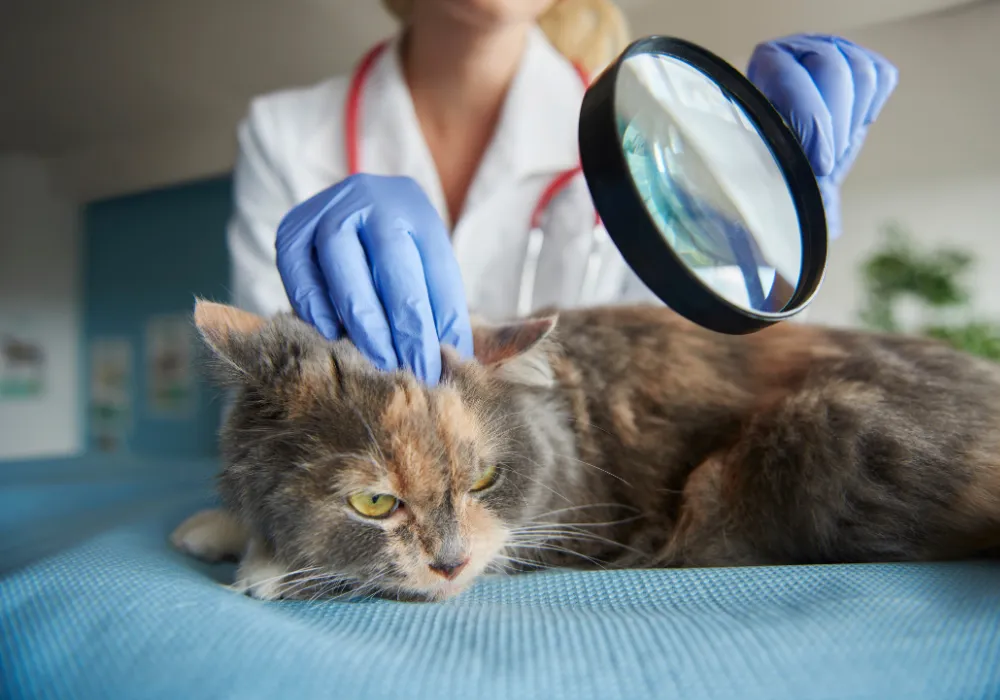


The Frustration Every Pet Parent Knows
Your dog keeps scratching. Your cat keeps licking the same spot until the fur disappears. You’ve tried the creams, the shampoos, the antibiotics. It gets better for a few weeks, and then it’s back again.
You wonder, “Why does this keep happening?” You visit different hospitals, change doctors, try new diets, but the itch never truly leaves.
If that sounds like your story, you’re not alone. Recurrent skin infections are among the most common reasons pets visit vets in India. And for many families, they become an endless cycle of treatment and relapse.
Let’s talk about why this happens and what you can actually do about it.
Why Skin Problems Keep Coming Back
Here’s something most pet parents don’t realize: your pet’s skin is a major organ, just like the heart or liver. It protects, regulates temperature, and reflects overall health. So when it gets irritated, you’re not just seeing a surface problem, you’re seeing a deeper signal.
Redness, itching, flakes, hair loss – these signs may look the same, but the reasons behind them can be completely different. It could be:
Allergies to food, dust, pollen, or even cleaning products
Fleas, ticks, or mites
Bacterial or fungal infections
Hormonal imbalances
Weak immunity or chronic inflammation
That’s why skin infections often return, because the root cause was never fully identified or addressed.
The Reality: No Quick Fix Exists
It’s easy to assume one round of medicine or a new shampoo will “cure” the issue. But in truth, some pets are predisposed to skin allergies for life, especially breeds like Labradors, Pugs, German Shepherds, and Shih Tzus.
The goal isn’t always permanent elimination, but long-term control. That means learning your pet’s specific triggers and preventing flare-ups before they start.
It takes time, patience, and teamwork between you and your vet.
6 Ways to Break the Cycle of Skin Infections
If your pet keeps battling itchy, red, or flaky skin, here’s what you can start doing right now.
1. Identify and Eliminate Allergens
Look at your pet’s surroundings. Many Indian homes use strong cleaning agents, floor disinfectants, or perfumes that can irritate sensitive skin. Switch to mild, pet-safe options and reduce exposure to dust or pollen.
2. Maintain Regular Grooming
A clean coat is your pet’s first line of defense. Regular baths with vet-recommended shampoos and thorough brushing remove allergens and prevent bacterial build-up.
3. Stick to Vet-Prescribed Products
Avoid experimenting with random over-the-counter shampoos or creams. Use only what your vet prescribes and always finish the full course, even if symptoms improve early.
4. Follow Diet Instructions Strictly
If your vet has suggested a hypoallergenic or anallergenic diet, stay committed. Do not feed table scraps, treats, or “just a bite” of your food. Even small slip-ups can trigger flare-ups.
5. Say No to Gluten and Maida
For pets with food sensitivities, avoid wheat-based or maida-filled treats completely. Opt for natural, protein-rich alternatives instead.
6. Never Skip Follow-Ups
Don’t wait until things worsen. Schedule reviews before the prescribed medicines are over. Early follow-ups allow your vet to adjust treatment before another infection begins.
Why Long-Term Care Is Worth It
Managing skin issues can feel endless, but here’s what happens when you stay consistent.
Your pet’s coat starts shining again
The constant itching fades
You stop worrying about the next infection
Your pet feels happier, lighter, and more comfortable
These small improvements build up, and soon both you and your pet are sleeping peacefully again.
Take Action Today
If your pet has been dealing with skin infections that just won’t go away, it’s time for a more personalized plan.
Fill out the contact form on our website to receive a free, customized diet plan designed around your pet’s breed, age, weight, and lifestyle. Our team will help you find what works best so your pet can finally feel relief, not just for a few weeks, but for good.
Because your pet deserves a life that’s calm, itch-free, and full of joy.
Frequently Asked Questions about Recurrent Skin Infections in Pets
Most recurring infections are caused by allergies, parasites, poor grooming, or diet issues. If the trigger isn’t removed, the infection comes back even after treatment.
Yes. Breeds like Labradors, Pugs, Boxers, Shih Tzus, German Shepherds, and Persian cats are genetically more prone to allergies and skin sensitivity.
If you notice open wounds, oozing, a bad smell, or your pet seems in pain, visit your vet immediately. These may indicate bacterial or fungal infections that need prescription treatment.
Absolutely. Food allergies are a major cause of chronic itching and redness. A strict elimination or hypoallergenic diet often brings noticeable improvement within weeks.
Avoid self-treating without veterinary advice. Some home remedies might worsen the irritation or delay proper diagnosis. Always consult your vet first. You can also reach out to your nearest SKS Veterinary Hospital to get best dermatology consultation.
Depending on the cause, recovery can take from a few weeks to several months. Breeds with chronic allergies may require lifelong management and periodic vet reviews.
No. Constantly switching shampoos can worsen irritation. Stick to what your vet recommends for your pet’s skin type and condition.